James R. AhernMA, MLIS, CAS, Ed.D. candidateLibrarian & Cultural Heritage ExpertLibrarian/Archivist, Cultural Heritage Expert, & EducatorProfessional Librarian/Archivist, Cultural Heritage Expert, & EducatorCertified Public Librarian (Ohio Library Council, lifetime membership) · Certificated Paralegal (ABA & OSBA)

Professional Credentials & Certifications
Certified professional librarian in the Commonwealths of Virginia (Certificate No. 5865, 19 June 2012) and Massachusetts (Certificate No. P5752, 7 January 2021). Certified by the Ohio Library Council as a public librarian (lifetime membership, September 2023). As of 28 October 2020, professional public librarianship credentials are registered with the State of Maryland's Department of Education, Division of Educator Certification, per the Code of Maryland Regulations (COMAR), Title 14 (Independent Agencies), Subtitle 38 (State Library), Section 14.38.01.01. Beta Phi Mu (Beta Rho chapter, admitted in 2012) academic honor society for international library & information studies (LIS). Kappa Delta Pi (Alpha Kappa Eta chapter, admitted in 2025) international honor society for educators; Alumnus, U.S. Naval War College (M.A. National Security and Strategic Studies, resident, 2015). Completion of five summer institute programs at the Harvard University campus, Harvard Institutes for Higher Education (HIHE) programs: (1) Leadership Institute for Academic Librarians (2013) and (2) Library Leadership in the Digital Age (2014); Harvard Graduate School of Design, Executive Education programs: (1) Future of Library Design & Academic Libraries (2023), (2) Academic Libraries: Space Planning & Design Charette (2023), and (3) Integrated Project Management (Harvard Law School, Wasserstein Hall, 2025). Regular member of the Association of College and Research Libraries (ACRL) for seventeen consecutive years. Certificated paralegal (ABA-approved program, May 2023). Allied professional member of the American Bar Association (ABA) and the Ohio State Bar Association (OSBA); continuing legal education (CLE) is officially documented within the jurisdiction of the Ohio Supreme Court through the ABA or OSBA.
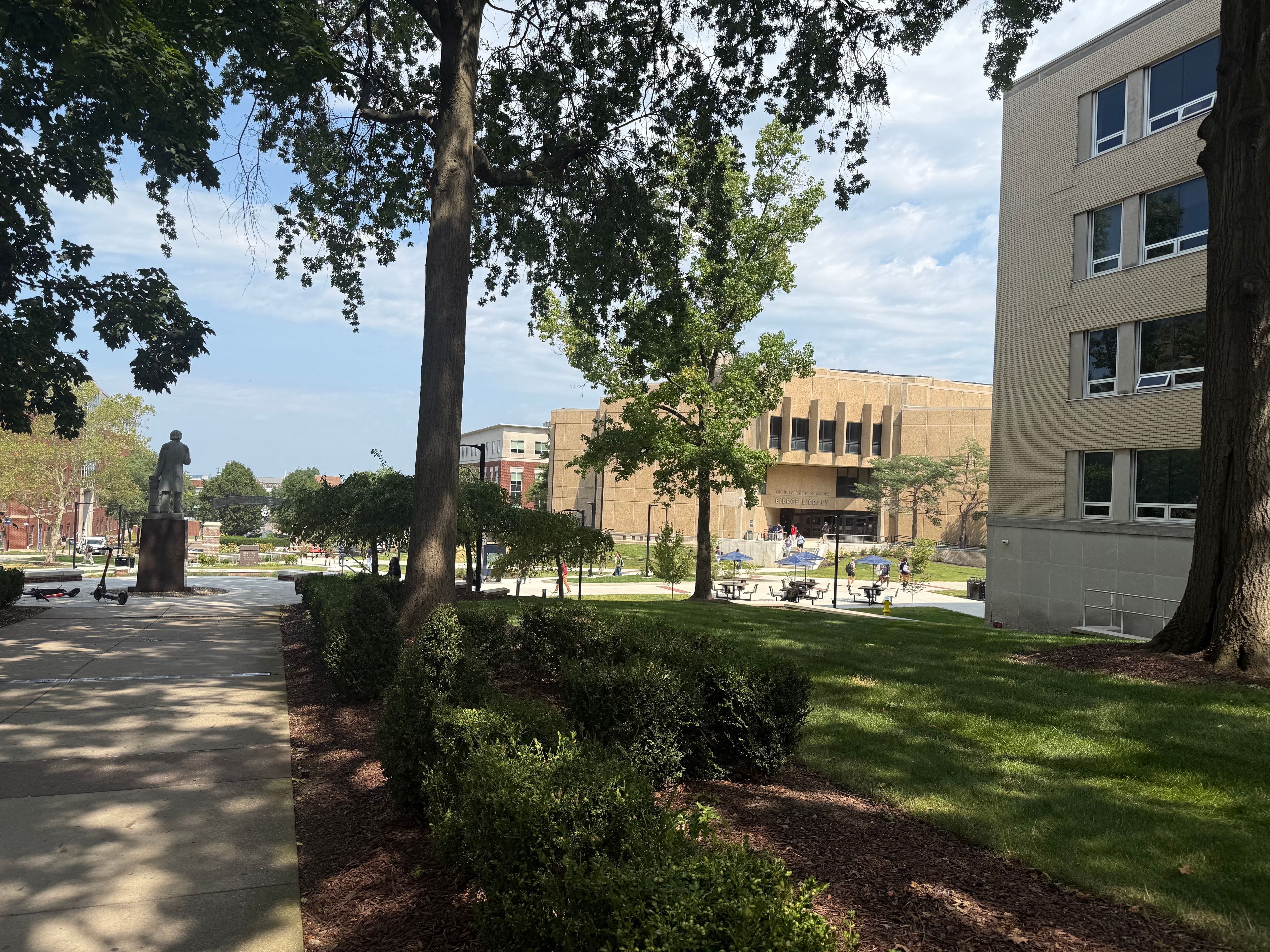
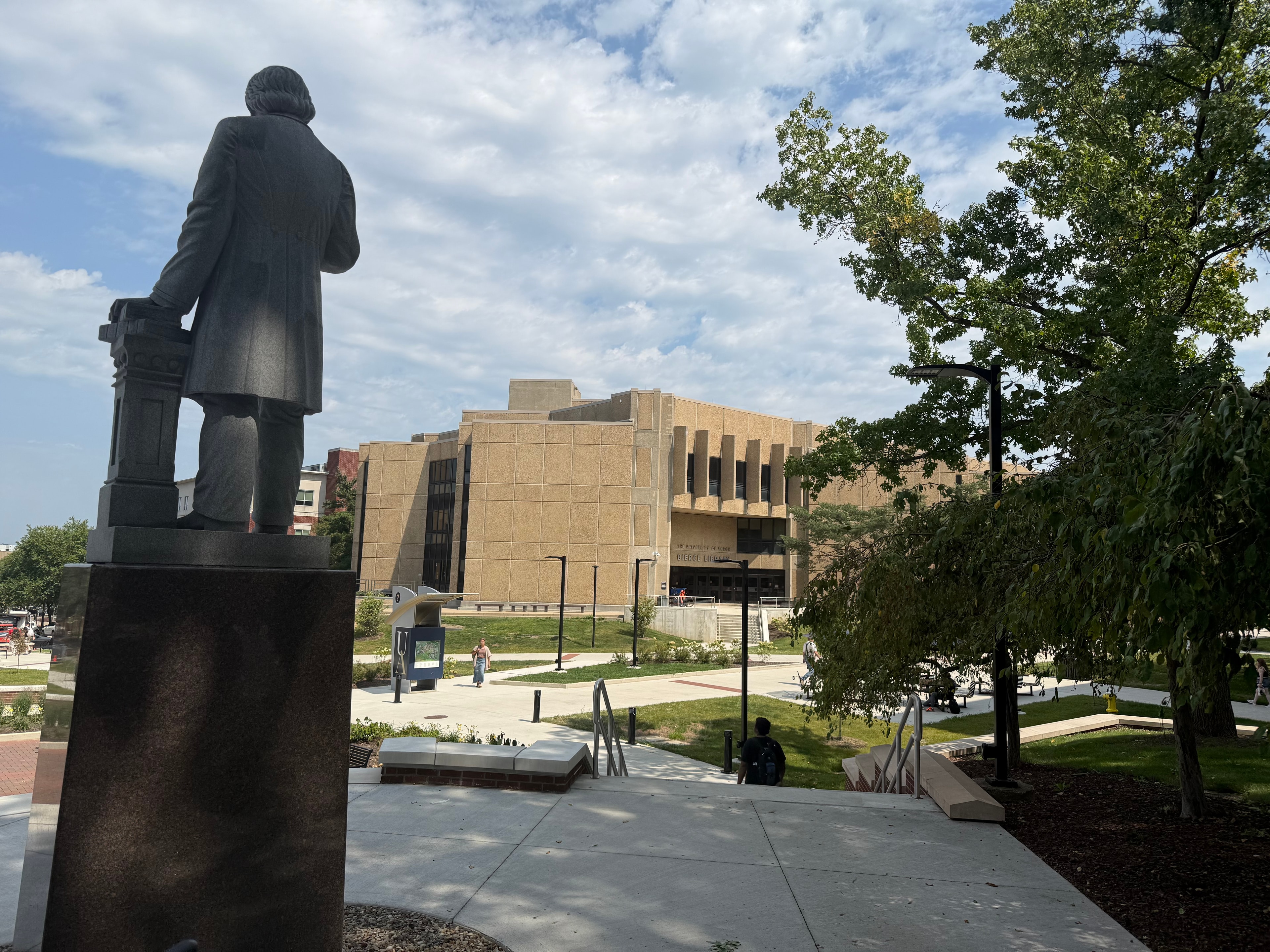
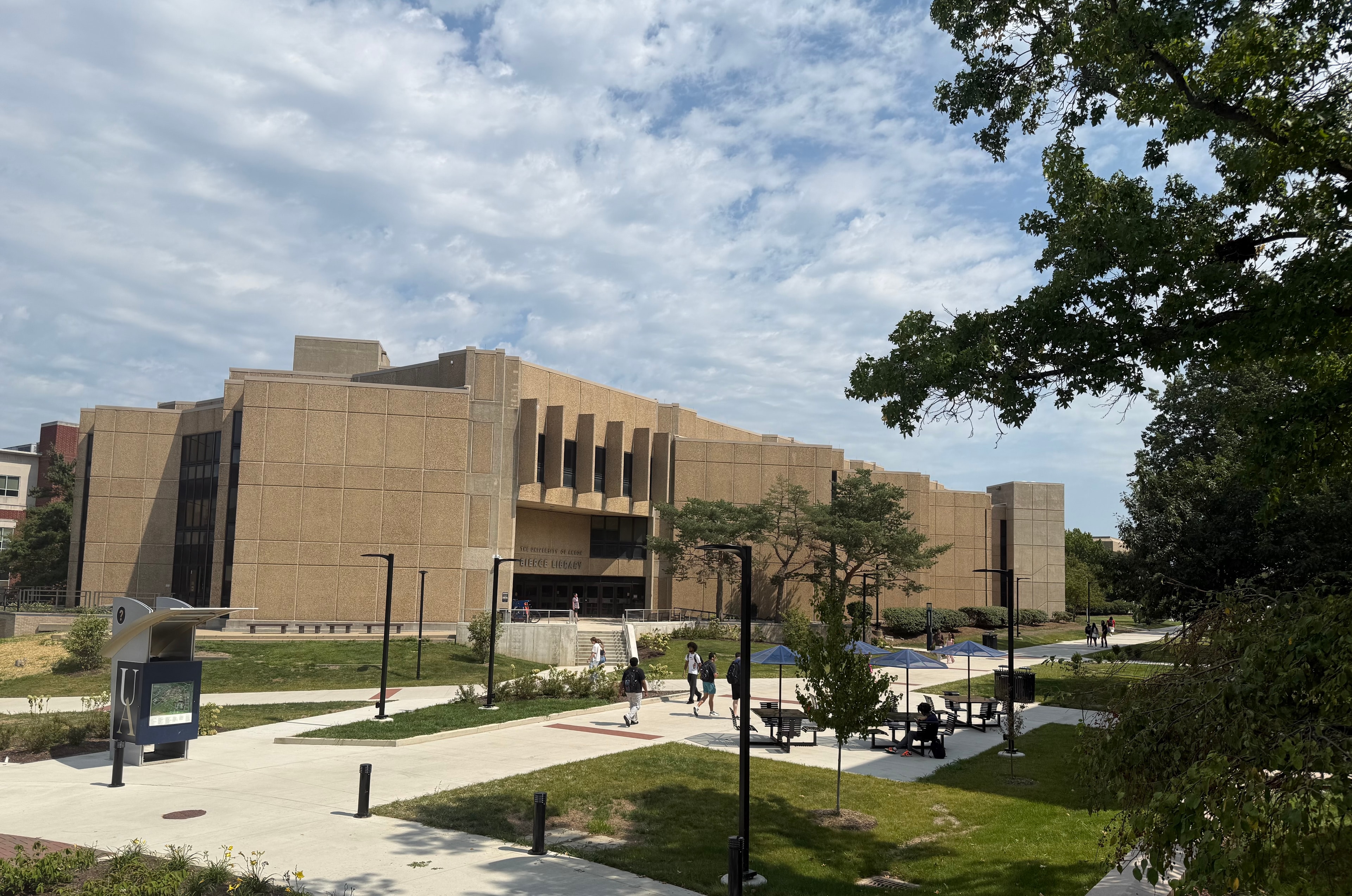
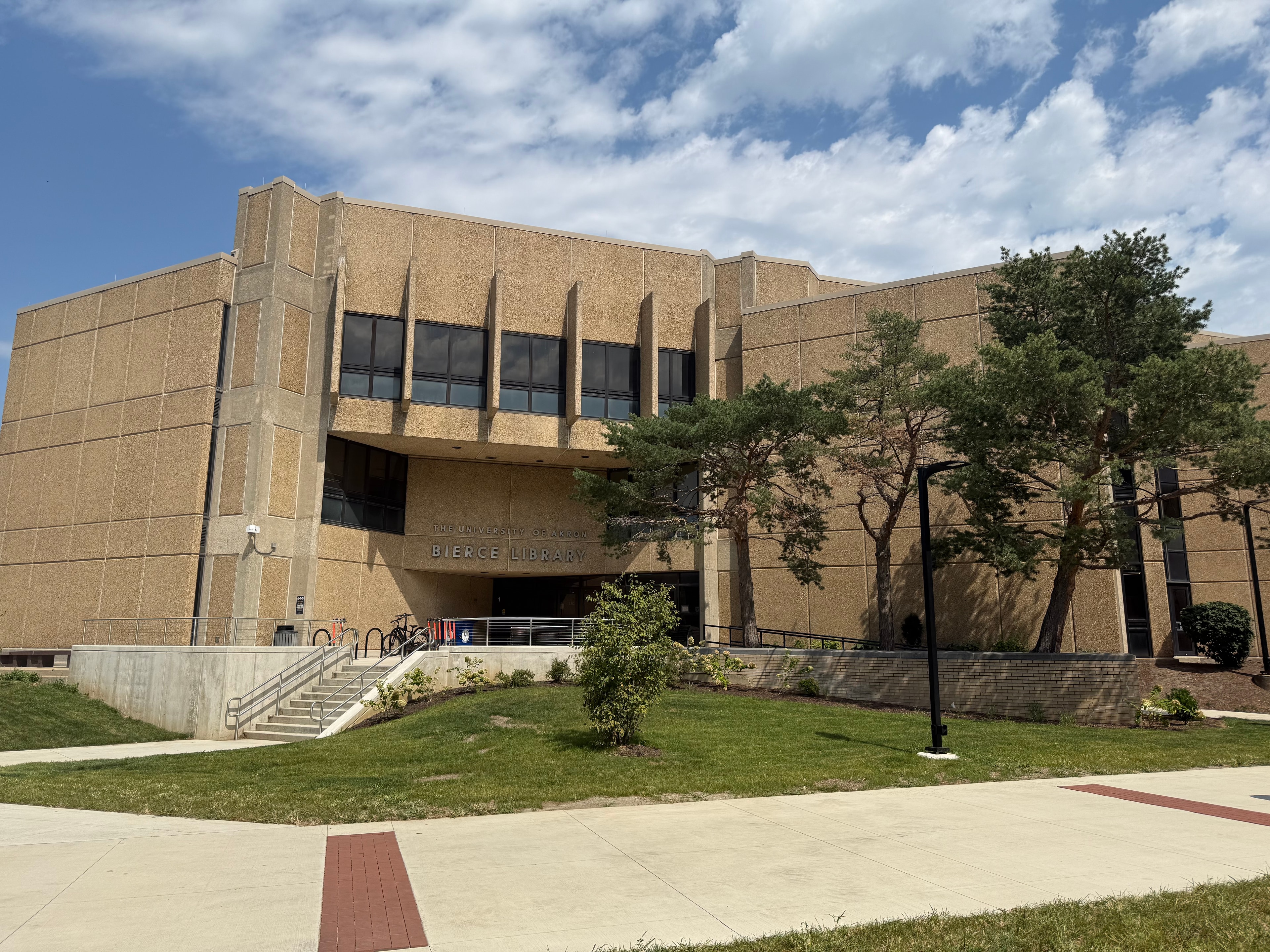
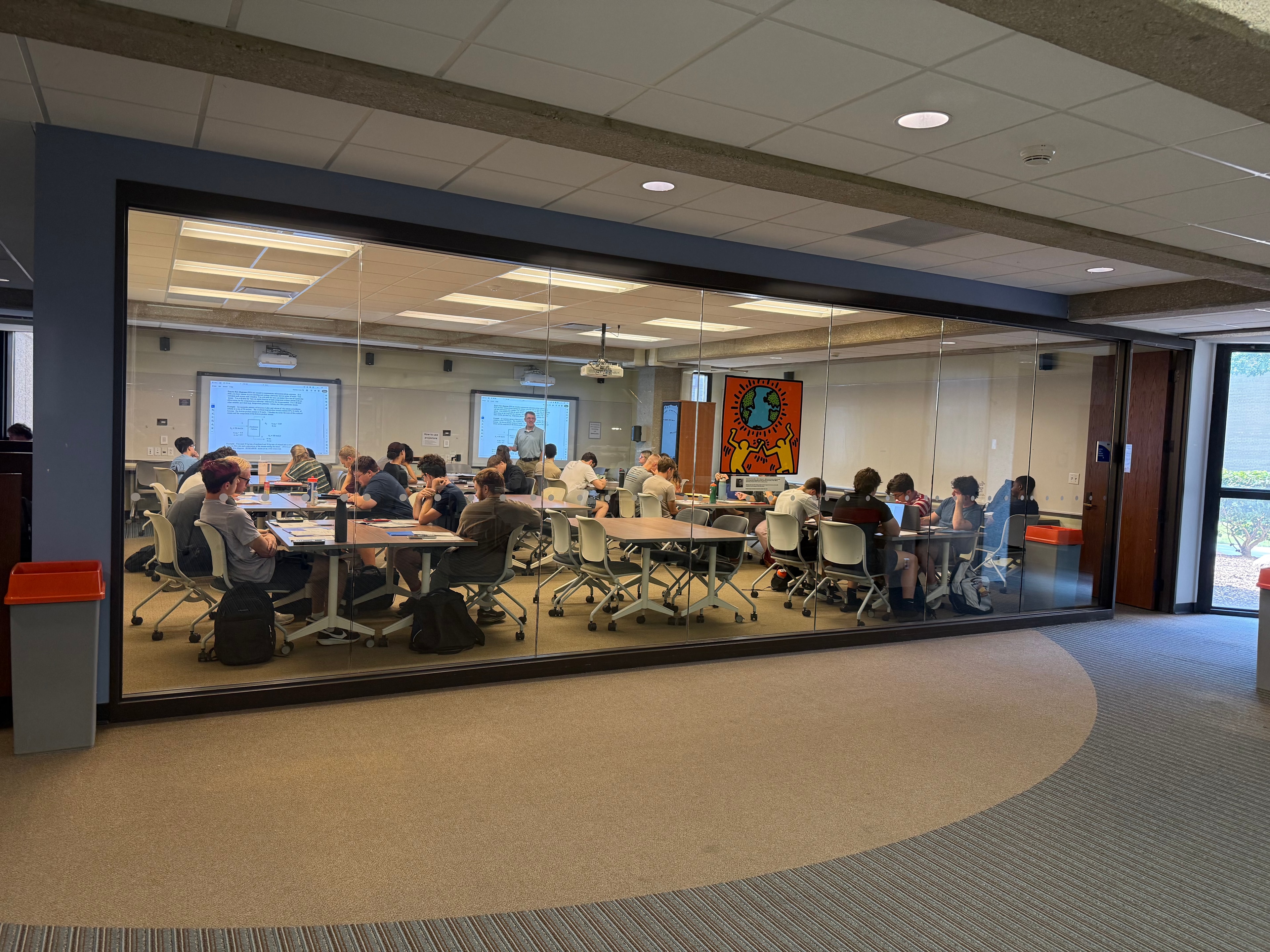
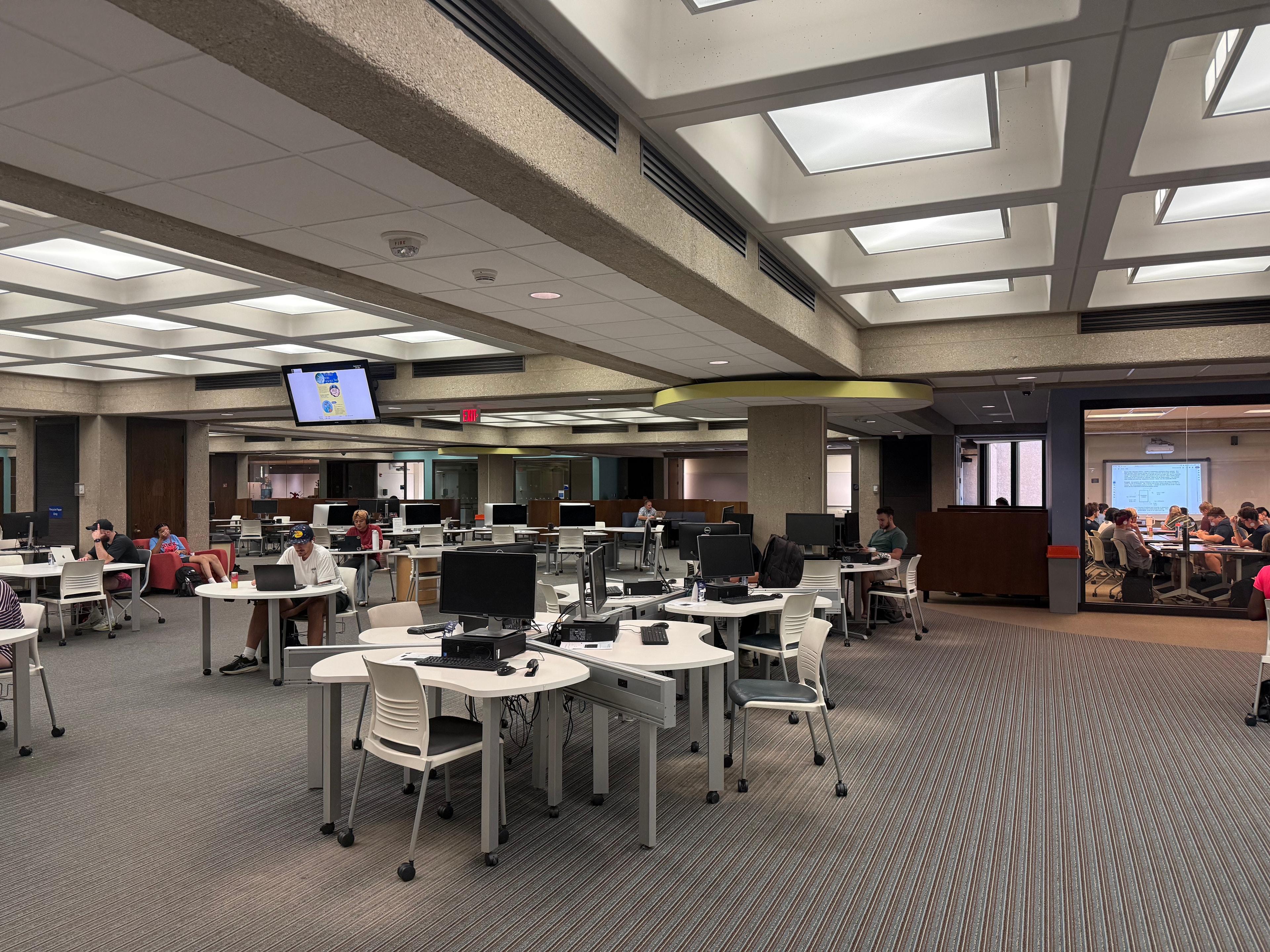
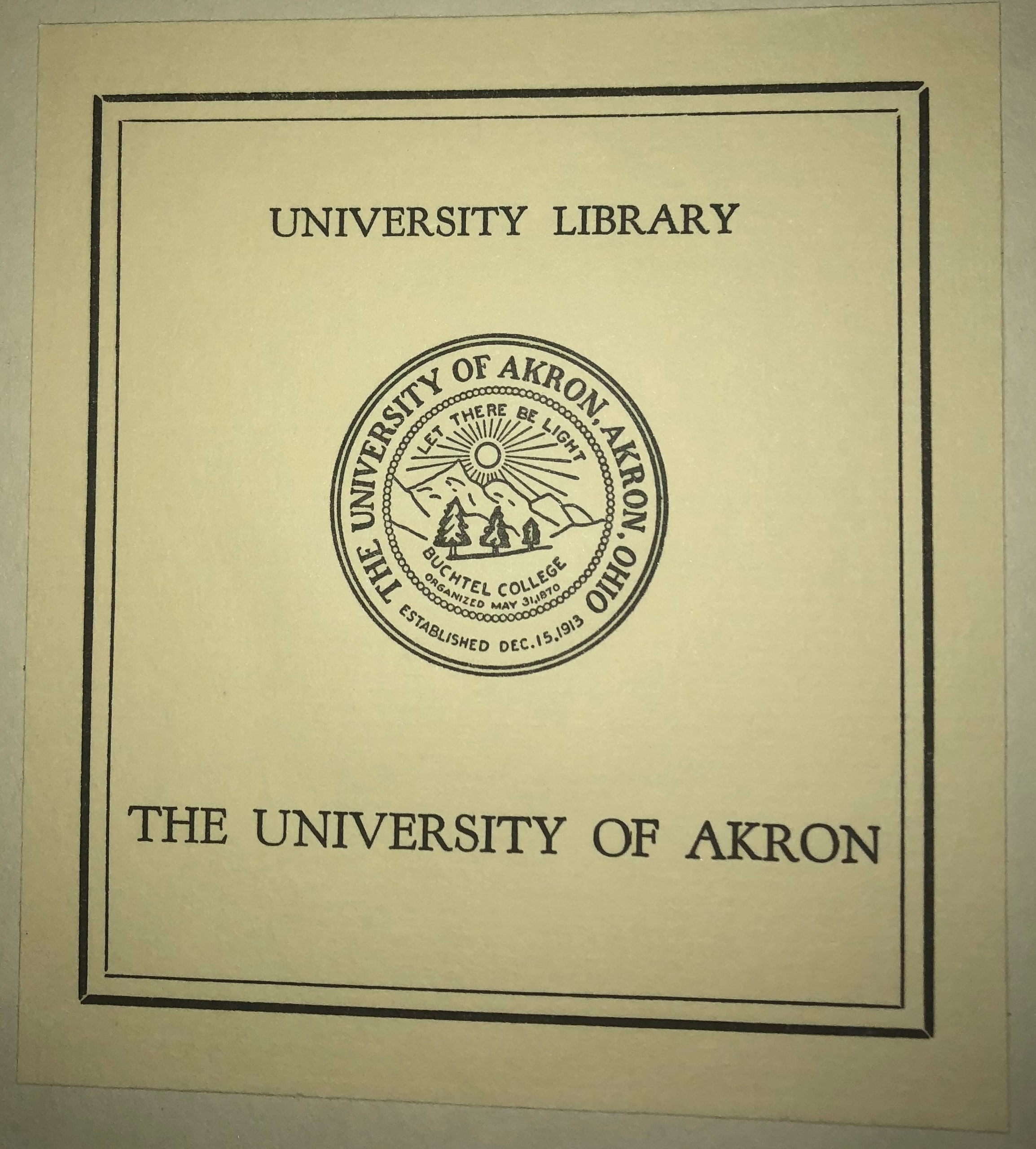
Efficient Utilization of Bibliographic Reference and Information Services at The University of Akron's main campus
Clarivate's Ex Libris Alma (cloud-based academic library services platform)
OCLC's CONTENTdm (cloud-based digital collections management platform for archival repositories) and WorldCat (a comprehensive, premier database of library collections around the world featuring unique discoverability information)
Infobase's Credo Reference (online subscription-based digital reference library for educational institutions)
Professional Approach
Technical Precision over Functional Speed
High-quality products require a certain number of devoted hours. I would rather deliver something excellent on the day a deliverable product is due than something mediocre at a faster pace for a higher cost to the client.
Luminosity above cleverness
The most elegant solution is usually the simplest one.
Longevity by creative design
I build with the assumption that what I make will outlast the current moment. Accessibility, performance, and maintainability are not optional extras.
Unambiguous communication and forthright collaboration
I tell clients what I think, not what they want to hear. The best outcomes come from honest conversation, not comfortable agreement.
Professional Credentials &Certifications
LAM Systems & Services
Metadata management, digital preservation, copyright and rights management, and information literacy are four essential technical specializations shared equally by librarians, archivists, museum curators, and public historians. As artificial intelligence (AI) revolutionizes the cultural heritage sector, these shared technical specializations emerge as the essential infrastructure for training machine learning models on structured, high-quality data. Consequently, information professionals must now oversee AI-driven cataloging and automated preservation pipelines while actively managing the intricate copyright and ethical biases inherent in generative technologies.
Specialisms
- Digital-Age Integrated Library System (ILS) Architecture
- Electronic Resource Management (ERM)
- Library of Congress (LCC) Classification, Cataloging, & Authority Control
- Curriculum-Integrated Pedagogy
CLOUD-BASED SERVICE PLATFORMS
- Microsoft Azure OpenAI
- Amazon Web Service (AWS)
- OCLC WorldShare
INDUSTRY STANDARDS FOR RISK MANAGEMENT & STEWARDSHIP
- PREMIS
- OASIS (ISO 14721)
- METS
- NISO Technical Guidelines
- American Alliance of Museums (AAM) Core Standards
INFORMATICS
- Jurisprudence search systems
- Cultural Heritage artifactual databases
DIGITAL & GENERATIVE AI PEDAGOGICAL TOOLS
For LAM professionals educated, trained, and ethically guided in the academic disciplinary principles of a discipline rooted in evidence, context, and interpretation, the ethical use of generative or agentic AI tools such as ChatGPT, Bing Copilot, Google Gemini, Claude.ai, and Grok poses an intellectual conundrum, which is why digital-age academic libraries and research consortia for digital humanities are partnering to sort through the myriad of vexatious ethical concerns and informational complexities involved in this necessity for educators and information professionals. For instance, the University Libraries of the University of South Carolina is leading the institutional effort with its Digital Research Services team.
- Open-source Autonomous Agents
- Transkribus
- Canva AI Magic Studio
- Gemini Notebook featuring retrieval automated generation (RAG) technology
Let's get your LAM project done to industry standards and within ethical guidelines while we work in a world soon to be dominated by generative and agentic AI.
If you have a nascent or incomplete LAM project that deserves meticulous attention, I would be glad to hear about it.
Get in touch